How to Pack For the Trip Home: Souvenirs, Laundry & More
Souvenirs, dirty laundry, and damp swimwear make the trip home harder to pack. Here's how to sort, seal, and protect everything for the return flight.
By Rosa Velázquez · 30 August 2026 · 5 minute read
Clothes lose their neat folds, shoes carry sand, toiletry bottles have been opened, and whatever you bought along the way needs somewhere to go.
That's the return-trip packing problem, and it catches careful packers as often as careless ones.
The fix? Treating the trip home as its own packing job, with its own logic, rather than reversing what you did on the way out...
1. Repack from scratch, not in reverse
The most useful shift is to stop thinking about where things were packed when you left. Organize instead by how things need to travel now.
A damp towel, a dirty T-shirt, and a fragile souvenir all leave your hotel at the same time, but they can't share the same space.
Start by emptying everything into view: closets, drawers, bathroom shelves, and the in-room safe. Then clear out the rubbish, receipts, and packaging you no longer need.
Look under the bed, behind doors, and around outlets, where shoes, chargers, and small accessories tend to hide.
From there, sort everything into clear piles: clothes you haven't worn, laundry that's dry, anything still damp, your shoes, toiletries, gifts and souvenirs, and the travel essentials you'll need during the journey itself.
Give yourself the evening before
Waiting until the morning you leave makes it harder to dry things, double-check drawers, and weigh your bags right. Begin repacking the evening before where you can. That buffer is also what lets damp swimwear finish drying overnight instead of riding home wet.
2. Keep dirty laundry from spreading
Worn clothes don't just take up space. They spread odor to everything around them, and shoes are the first casualty.
A standard mesh-top packing cube won't contain any smell, because the mesh simply lets odors escape into the rest of your bag. For laundry, you want a cube without mesh.
Put shoes in their own bag
Give shoes a dedicated bag too. It keeps dirt and grime off everything else, and it protects the shoes from absorbing odors from travel-worn clothes. Keep that shoe bag separate from the laundry cube rather than letting the two mix.
3. Handle damp items separately
Swimwear, towels, and sports clothing rarely dry on schedule. Hang them as early as you can on your last day, using a balcony, a bathroom rail, or any drying spot that's allowed.
If something is still damp when it's time to go, it should never go inside a cube with dry laundry. Seal it in its own waterproof bag so it won't soak the rest of your luggage. The moment you get home, pull those items out of the bag.
4. Protect souvenirs that can break
Bringing something home is a real part of the trip, so it's worth packing well. The simplest souvenirs to travel with are small, compact, and unbreakable: jewelry, clothing, and the like.
For fragile things, the center of a checked bag is the safest spot. Wrap a bottle first in a plastic bag, then in a travel towel, then pad it with clothing.
Clean clothes make good cushioning, as long as they stay clear of damp swimwear, shoes, and toiletries.
A tightly packed suitcase protects fragile items better than a loose one, because nothing shifts. The test is simple: surround the item with enough padding that it doesn't move when you shake the bag.
Packing cubes help here too, keeping stray garments from snagging in zips or drifting around whatever's fragile.
5. Know the rules before you buy
Two sets of rules can turn a souvenir into a problem.
The first is the **liquids rule**. Anything over 3 ounces has to be checked when you fly, and that covers things like alcohol, oils, big snow globes, jams, and sauces.
If you want to carry a bottle of something home, plan to check a bag for it.

The second is customs. Some countries are far stricter than others, especially about plants and food products. Skipping this research can mean leaving an item at customs or paying a fine, so check before you buy, not after.
For anything large, weigh shipping against the hassle. A crate of wine may be better mailed than flown, though the greater the distance from home, the more expensive shipping large items gets.
Look up your airline's checked bag fees too, so you can decide whether a souvenir is worth the cost of checking a bag.
6. Build in overflow before you leave home
The easiest way to avoid a return-trip crisis is to plan for it before you pack for the outbound flight. Leave a little flexible space in your suitcase. Don't fill every gap with things you probably won't use.
Travelers who regularly come home with more than they left with lean on a few tricks. One is an expandable suitcase, which gives extra room on the return without nudging you to overpack from the start.
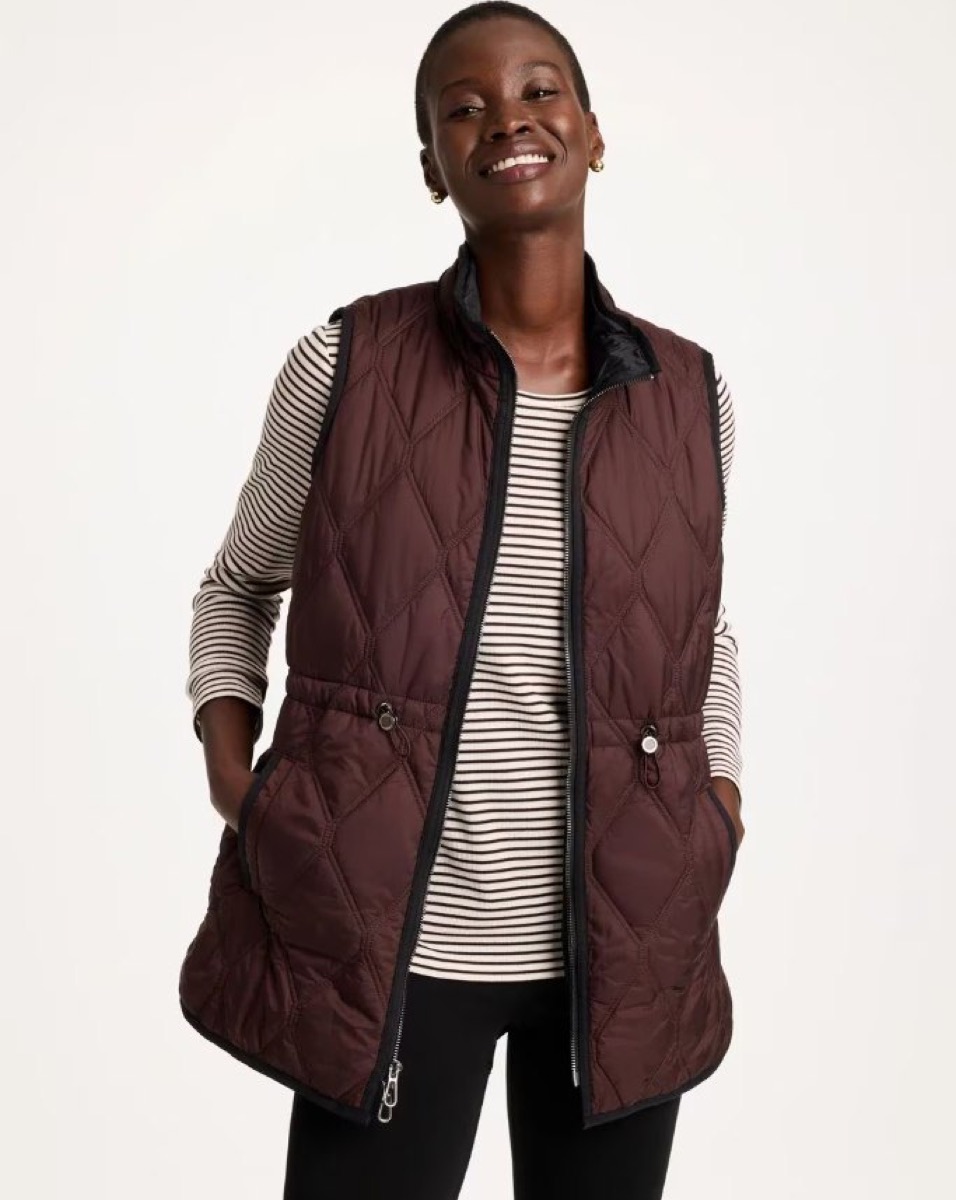
The other common move is a packable bag. A foldable duffle or zippered tote lies flat inside your main case on the way out, then becomes a second bag for the souvenirs or laundry you're carrying home.
Just remember a second bag only works if it's part of your travel booking.